 Corporate Events SF
Corporate Event Venues in San Francisco
Compare four private buyout corporate event venues in SoMa near Moscone Center, with one seasonal menu, keynote stages and indoor-outdoor spaces.
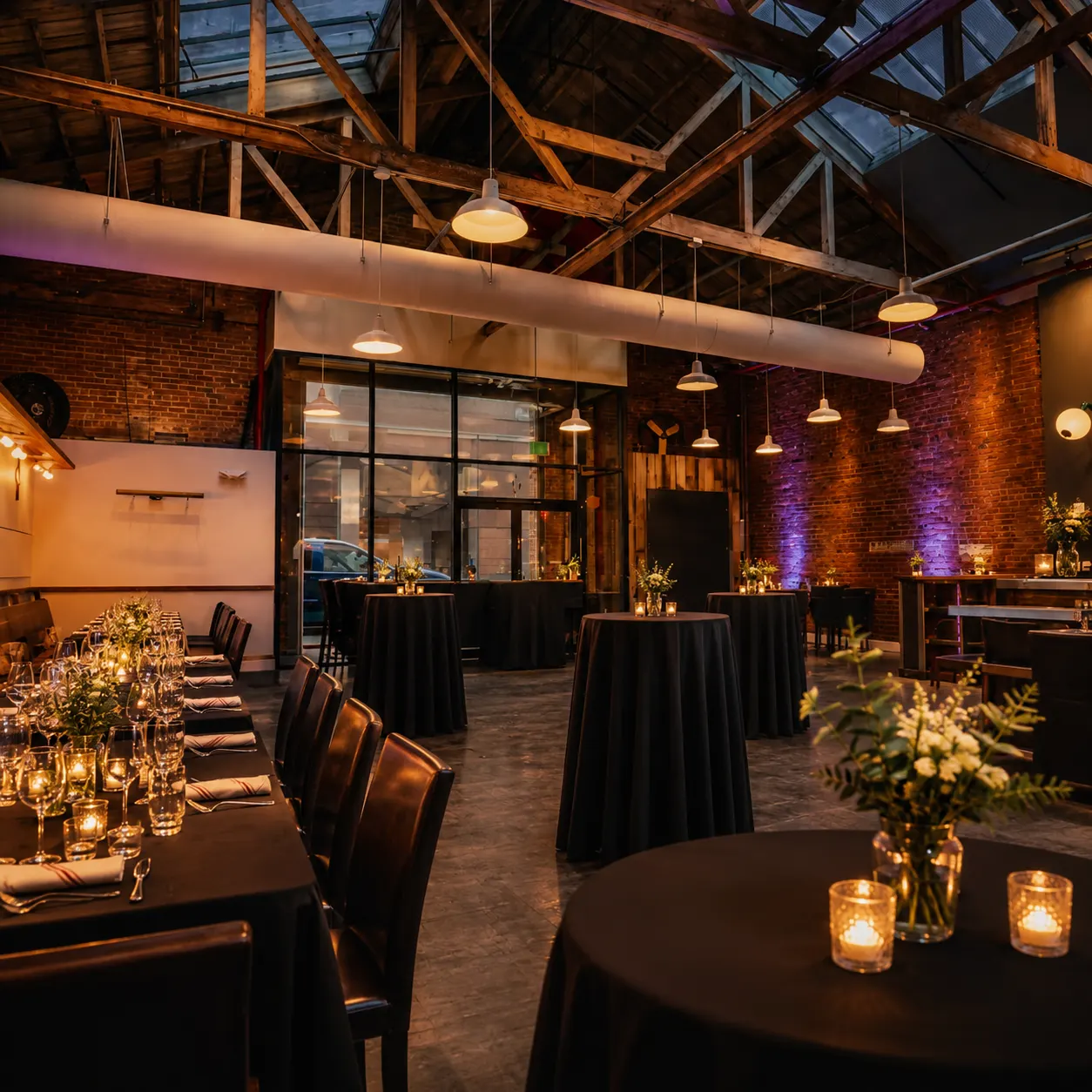
Choose the right corporate event format first
What are your guests going to do together? A keynote, a working session, a client dinner and a product launch each need a different layout, even when the guest count is the same. Choose the main format first, then decide whether you need a seated meal, space to mingle or a combination. All four venues are complete private buyouts in SoMa, so you can plan the event around your group rather than a shared dining room. For a seated program, map the room around the moments when everyone needs to pay attention. Decide whether guests will face a speaker throughout the event or turn their attention from tables to a stage for a short presentation. Allow time for arrivals and seating before the program begins, and consider how food service will fit around remarks. Longhouse is our venue with a built-in keynote stage. For a networking reception, prioritize circulation. Guests need a clear route from the entrance to food and drinks, with enough open space to meet without blocking a presentation or demonstration. A simple run of show might include arrival and mingling, a brief welcome, then more open networking. If you plan to mix seated and standing guests, confirm the capacity for that particular layout rather than assuming either maximum applies. Could separate rooms hold different parts of the night, like a welcome, conversation and dinner? Buena Vida has three rooms and an indoor-outdoor setting that work that way. For an executive dinner or client gathering, consider how much of the event should be shared as one group and where quieter conversation belongs. Fireside has smaller private rooms inside the buyout for exactly that. A launch, demo or activation starts with the experience you want guests to see and try. Plan where people will queue, where they can gather without interrupting a demo and what happens when a presentation ends. Lot F is built for demos and indoor-outdoor activations. Exact capacities for every venue and room are in the comparison above. Before requesting a proposal, make a short format brief:
- Note your expected attendance, whether guests will arrive together or in waves, and the number who need seats. - List the main moments in order, including the welcome, presentation, meal or demo, and any transitions between spaces. - Identify what guests must see and hear. Share any needs for microphones, screens, playback, branding or technical support so the team can confirm what the format requires. - Flag equipment, signage or demo materials that need to be brought in. Ask about load-in, setup, testing and removal time before setting your event schedule. - Share your food priorities and budget planning parameters. One seasonal menu by our chefs can be planned alongside the event flow, so service supports the program and gives guests time to enjoy it. Keep the brief flexible where you can. An approximate headcount and a clear picture of the experience are a useful starting point; the layout and event schedule can then be worked through with the venue team. Who needs to approve your choice? If it is someone who will never see the room, plan around that from the start. Our team sends a floor plan and a written proposal you can forward to your boss the same week, so the decision does not depend on a walkthrough they missed.
Compare four private buyout venues in SoMa
The comparison above has the exact numbers for every venue and room. This section is about character: what each space feels like on the night, and the kind of event it makes easy. Longhouse is the room for a shared moment. It has a built-in keynote stage, so a launch, an all-hands or an awards program can happen in front of everyone without hiring a separate stage. When the talk ends, the same room turns into a reception or a seated dinner, and guests never have to move. Buena Vida feels like a house party with good food. Three rooms and an indoor-outdoor layout give guests places to drift between, so conversations form on their own. It works well when the goal is connection more than presentation, like a team celebration or a welcome night. Fireside is warm and a little more polished. Its smaller private rooms sit inside the buyout, which means you can host a main reception and still pull leaders or clients into a quieter room for a real conversation. Executive dinners and client nights fit here naturally. Lot F is built for things people want to touch and try. The courtyard and open floor give a demo, a product display or a branded activation room to breathe, with space for guests to gather while others take their turn. Need everyone under one plan at a bigger scale? Buena Vida and Lot F sit next to each other and book together as The Block Party, so a large group can spread across both. Which one sounds like your event? Open a floor plan to see where the entrance, bar, screens and tables would go:
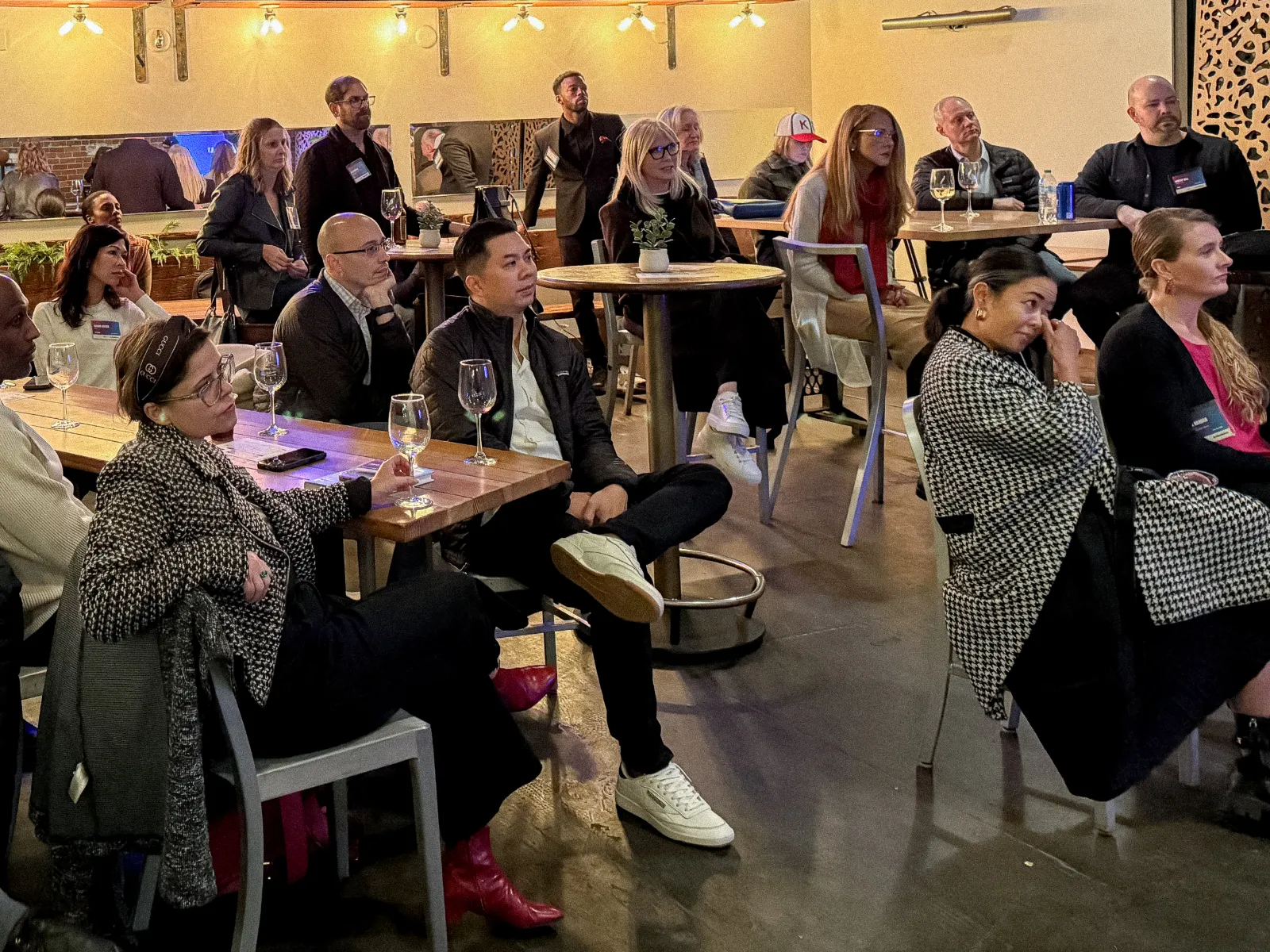
Match the venue to your headcount and layout
How many guests need a seat at the same time? That one answer shapes the layout more than the total headcount does. A reception with a few lounge areas uses space very differently from a dinner where every guest has a chair and a plate. Bring two numbers to the first call: the guests you expect and the most you could host. Planning to the higher number keeps a late RSVP surge from becoming a problem. Seated events. Think in tables. Decide how many guests sit at each one, where hosts, speakers or clients belong, and whether everyone needs to see a screen or stage. Leave clear routes for servers and for guests who get up mid-meal. Standing receptions. Think in moments that draw a crowd: arrival, the bar, food, a welcome toast and any demo. Spreading those around the space keeps guests moving and stops the entrance from jamming up. Mixed formats. A night that moves from a keynote into dinner needs a plan for the change. Will guests stay in the room while it resets? How long between the talk and the first course? Tell the team what has to stay in place so they can time the turnover. A few things quietly take up room, so mention them early:
- Stages, screens and speaker setups
- Check-in tables and coat areas
- Demo stations, product displays or photo moments
- Extra bars or food stations for a large crowd
When your list gets close to a venue's maximum, ask for a layout review before invitations go out. And if the group outgrows one venue, The Block Party gives you both Buena Vida and Lot F under one plan. Before you approve a floor plan, walk through it once as a guest would. Where do they check in, where do they put a coat, where do they get a drink and where do they stand when someone starts speaking? If each answer is easy, the layout is ready. See also: longhouse · buena vida · fireside · lot f · private events near moscone center · conference receptions san francisco · corporate holiday parties san francisco · team offsites san francisco · private events near moscone center
Team offsites and planning days
A team offsite gives people a change of scene and time to think together. Plan the day around the work first: a morning strategy session, breakout conversations, lunch and an evening social often fit in one complete private buyout. Buena Vida works well when you want one main room plus smaller spaces, with the Upstairs Loft for 40 standing or 25 seated and Luchador for 50 standing or 30 seated. Longhouse suits a larger all-hands with a stage, holding up to 150 seated. Share your agenda, breakout count and screen needs early so the rooms are ready when each session starts. For agendas, room setups and a sample day, read our team offsites guide.
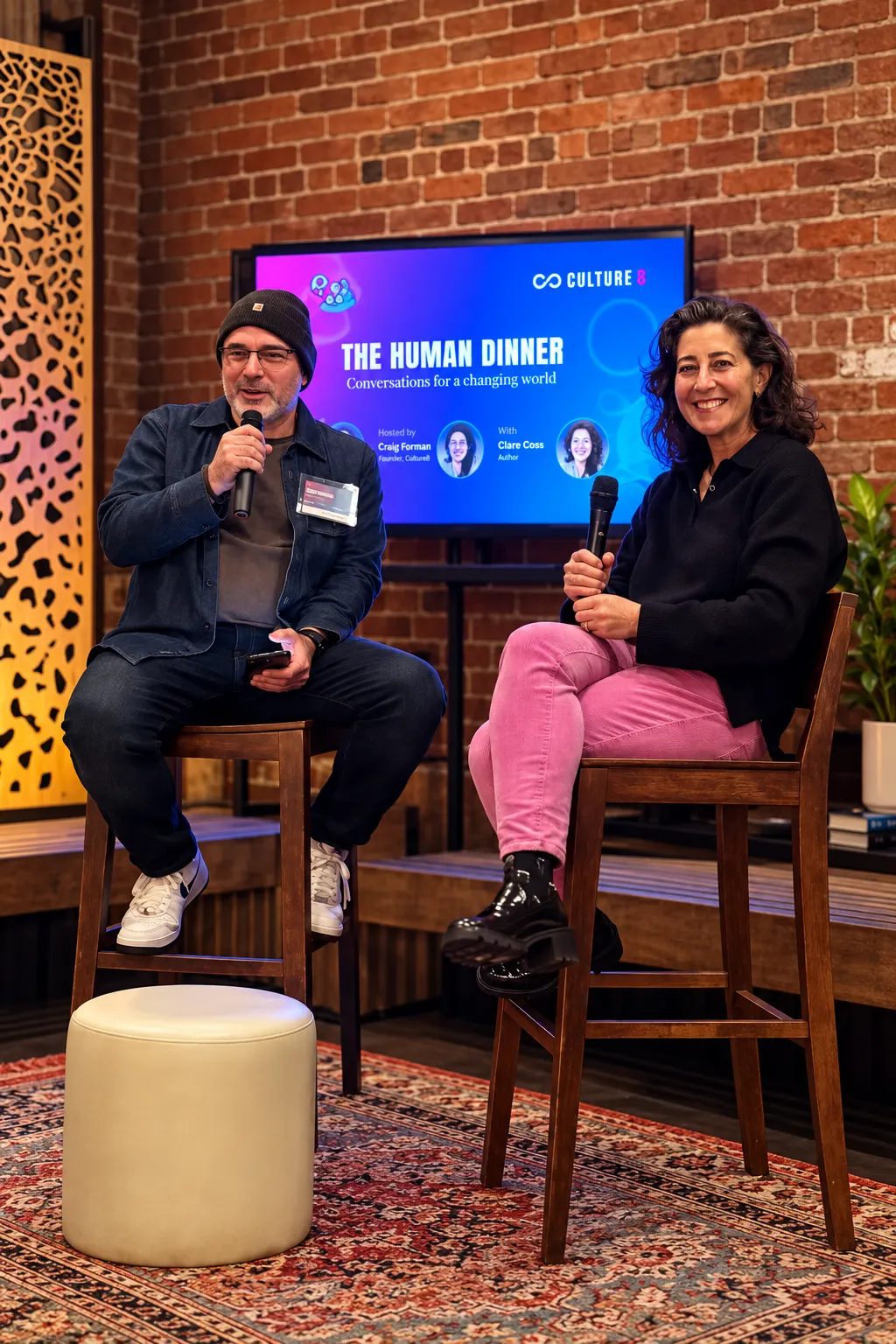
Product launches and brand activations
A launch is built around the moment guests first see the product. Map the reveal, where people try it, and where they gather afterward so demos stay easy to reach. Lot F suits product demos and indoor-outdoor activations for up to 150 standing. Longhouse holds up to 250 standing with a keynote stage for a staged announcement. For a bigger crowd, Buena Vida and Lot F combine as The Block Party for up to 300 standing. For branding, screens, demo stations and load-in planning, read our brand activations and product launch guide.
Multi-day buyouts and event series
Some programs need the same venue for more than one day, such as a summit, a training week or a conference home base. Booking several days keeps your setup, branding and equipment in place between sessions. Tell the team which days need a full reset and which can stay as they are, and plan meals for each day with our chefs. For scheduling, day by day layouts and planning tips, read our multi-day corporate buyouts guide.
Executive and client dinners
A dinner for leaders or clients works best when every guest can hear the conversation. Choose the table shape and room size first, then build the evening around it. An executive dinner or client event usually works best when guests can settle in, talk comfortably and understand where the evening is going. Start with the purpose: a leadership discussion may need one shared table or a small group of tables, while a client reception followed by dinner needs a clear transition from standing conversation to assigned seats. Fireside is where most of our executive dinners land, with the Wine Room and Chef’s Table for smaller tables inside the full buyout. For a dinner with several stages, Buena Vida's three rooms can hold a welcome, the dinner and smaller conversation groups. Is client entertaining part of a product demo? Ask how Lot F could pair the dinner setup with a demonstration area. For a leadership gathering with a presentation, Longhouse adds a keynote stage before the meal. A useful dinner plan starts with a guest list and a seating approach:
- Identify hosts, clients, speakers and any guests who need step-free access or other accommodations. Confirm the access arrangements with the venue. - Decide whether seats will be assigned. For a discussion-focused dinner, place hosts where they can help connect guests and keep conversation moving. - Tell the team whether anyone will speak during a meal, when guests need to be seated, and whether a quieter space is needed for a private conversation. - Collect dietary requirements in advance and agree on how guests will communicate any changes. Our chefs prepare one seasonal menu, so discuss menu planning and service needs early. Keep the arrival sequence simple. Decide who will greet guests, where names will be checked if needed, and how attendees will find the reception and their dinner seats. If guests move between spaces, assign a host to guide the transition rather than relying on announcements alone. For indoor and outdoor plans, ask about a weather alternative before finalizing the layout. For AV, start with the moments guests need to hear or see: a welcome, a short presentation, a video call or remarks between courses. Confirm whether microphones, screens, connections and technical support are needed and available. Build in time to test sound from the guest seats, and agree on cues with the service team so speeches and food service do not compete. A sample evening might allow 30 minutes for arrivals and conversation, followed by a welcome, a seated dinner and closing remarks. Adjust the timing to the guest list and meeting goals. Before invitations go out, confirm access and load-in windows for any presentation materials, signage or equipment, as well as delivery contacts and removal timing. Share a final run of show and seating list with the venue team, including who can approve changes on event night. For seating plans, menus and hosting tips, read our executive dinner venues guide.
Corporate holiday parties
Holiday parties book early, so start with your date and headcount. Decide whether the night centers on dinner, dancing or mingling, then pick the venue that fits that feeling. Longhouse holds up to 250 standing for a whole company party, and The Block Party combines Buena Vida and Lot F for up to 300 standing. Smaller teams often prefer the cozy rooms at Fireside. For dates, themes and a sample run of show, read our corporate holiday parties guide.
Food, drinks and service flow
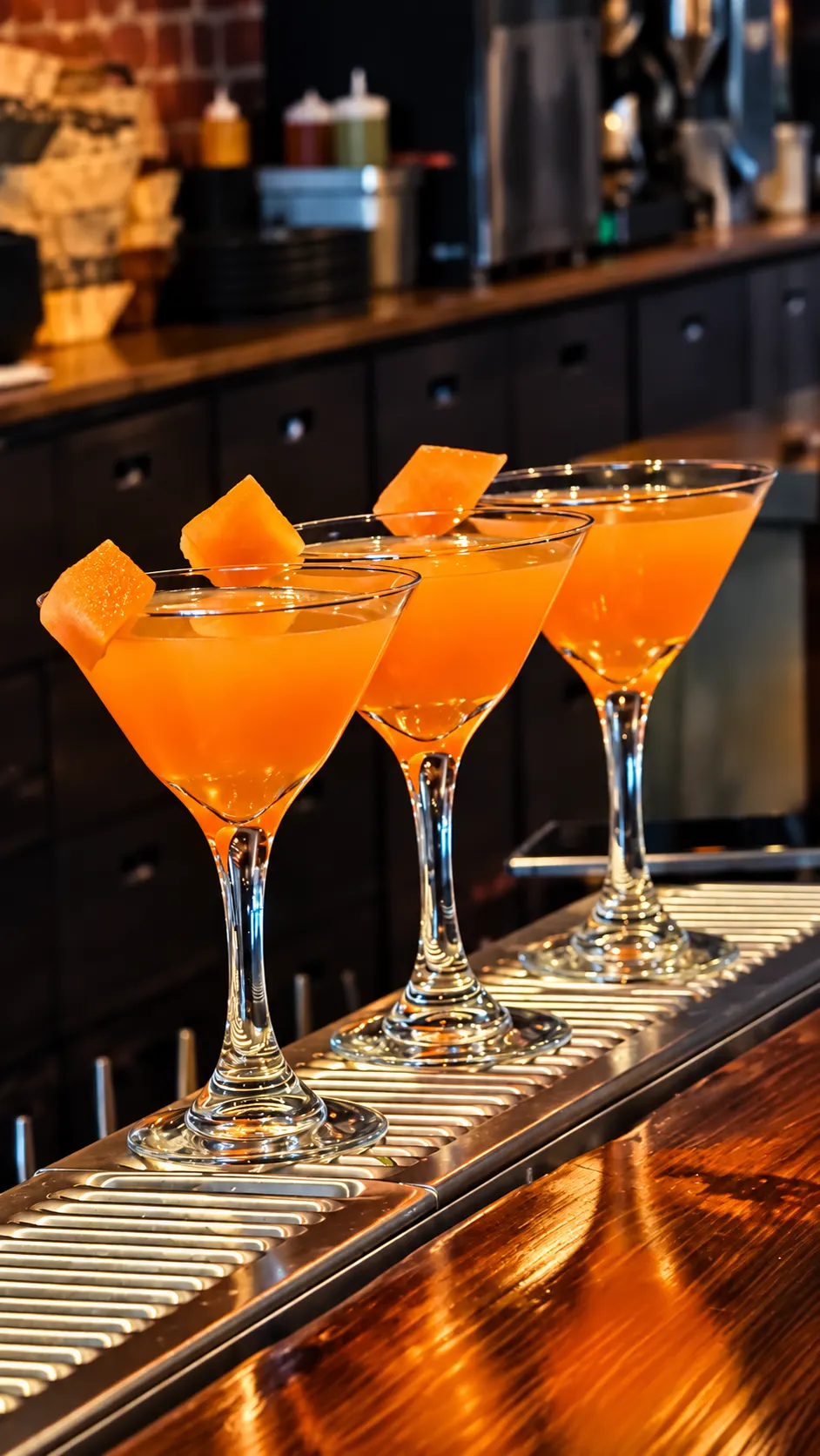
Food and drinks shape the pace of a corporate event. Start with how you want guests to spend their time: a seated meal gives everyone a shared moment, while a reception lets people move between conversations, demonstrations and food. For either format, our chefs prepare one seasonal menu. Share your goals and dietary needs early so the menu and service plan can support the whole group. Each venue shapes service a little differently. At Longhouse, plan service around the stage schedule so guests aren't queuing during the main presentation. At Lot F, position food so lines stay clear of demos. Fireside's Wine Room and Chef's Table suit a more intimate meal inside the buyout, and Buena Vida's three rooms can split dining, drinks and conversation. Using more than one room? Confirm the usable capacity with the team, since room figures don't simply add up. For a reception, walk through the guest journey from arrival to departure. Decide where guests first find water, drinks and food, then consider whether those points will draw people away from registration, doors or a presentation area. If guests will move between indoor and outdoor spaces, plan how they will know where refreshments are available. Keep a clear route for guests and service staff, including people who need an accessible path. For a seated meal, share the expected guest count, seating plan and any program moments with the team. Identify hosts, speakers and guests with dietary requirements so the right meals can reach the right seats. Ask when guests need to be seated, when each course should be served and how staff will handle late arrivals. If conversation is the priority, allow time between courses; if an executive is speaking, coordinate service so clearing and pours do not compete with the remarks. Build the run of show backward from the meal or reception. As an illustrative plan, you might allow 30 minutes for arrival drinks, 75 minutes for dinner and 20 minutes for dessert and closing conversation. The right timing depends on the menu, group and program, so review it with the venue team before sending the schedule to speakers or guests. Before the menu is finalized, confirm:
- The expected headcount and deadline for final numbers, including staff or presenters who will eat. - Allergies, dietary restrictions and a discreet way to identify guests who need an adjusted meal. Ask the team about ingredients and cross-contact procedures. - Your preferences for alcoholic and nonalcoholic drinks, water availability and the timing of bar service. - Whether a welcome toast, coffee service or dessert should happen at a specific point in the program. - Budget priorities and any service details that need approval before the proposal is finalized. Finally, connect the service plan to production and load-in. Share the placement of screens, microphones, demo equipment and any branded materials with the team, and ask which areas need to stay clear for setup, staff movement and food service. Give the venue a single schedule and a point of contact for changes on event day. That helps the kitchen, service team and presenters work from the same plan.
AV, screens, branding and production
Start with a simple production brief: what guests need to see and hear, where each activity happens, and who is responsible for making it work. Share the agenda, expected headcount and preferred room layout early. Ask the venue team to confirm what equipment is available, what needs to be brought in, and whether your plans fit the space. Your layout decides what fits, so leave space for a stage, screens, demo stations and service routes. At Longhouse, sketch the stage position, check sightlines from the back and sides, and keep a path for speakers that doesn't cross the audience. At Buena Vida, decide which rooms carry amplified sound and how guests will know where to go. At Fireside, ask whether a microphone or screen helps a conversation-led program. At Lot F or The Block Party, map demo positions, queues and staff locations before placing signage and screens, and plan how announcements will reach both spaces. For AV and production, walk through the program moment by moment with your venue contact and production partners:
- List microphones, speakers, screens and playback needs for each presentation, demo or announcement. Confirm availability and compatibility before finalizing the setup. - Identify who will run slides, videos and sound, and provide a backup contact. Check file formats, presentation connections and whether presenters need internet access. - Review sightlines, sound levels and lighting for each part of the event. Ask what can be adjusted, especially when activities move between indoor and outdoor areas. - Mark proposed branding, signage and screen locations on a floor plan. Confirm what can be installed, how it may be secured and when it must be removed. - Check power locations and cable routes with the venue and production team. Keep cables and equipment clear of guest paths and service areas. Build the load-in and rehearsal plan into your schedule. Confirm access times, delivery instructions, equipment dimensions and who will meet each vendor. Allow time to place equipment, test sound and video, run through speaker cues and resolve problems before guests arrive. Agree on a load-out plan too, including who packs equipment and when vendors can collect it. Finally, coordinate the production plan with food and service. Each venue offers one seasonal menu by our chefs, so share the timing of presentations, demos and any room changes with the team. A clear run of show helps servers, speakers and production partners work around one another while guests stay focused on the event.
Getting there: transit, parking and the Moscone area
All four venues are in SoMa, giving you options for company events around the Moscone area. Start with the address, your guests’ departure points and the time they will arrive. A group coming from a conference may need different directions from colleagues traveling from an office, hotel or airport. For a closer look at events in this area, see private events near Moscone Center. Send guests the venue name and full street address rather than relying on a map pin alone. Include the planned arrival time, the event start time and a contact for day-of questions. If guests will travel from Moscone Center, check the current walking route and allow time for them to leave their previous session and find the entrance. Provide a transit option and a rideshare or taxi option so guests can choose what works for them. Parking deserves a separate line in the invitation or confirmation email. Check current garage locations, hours, vehicle height limits and availability near the venue before recommending one. Ask guests who need accessible parking or a step-free route to contact your planning team, then confirm the details with the venue. For rideshare arrivals, identify a suitable drop-off point and share it with guests. Confirm the same information for departures, especially if the event ends late. Here are the addresses for your directions: Longhouse is at 83 Minna St, Buena Vida at 860 Folsom St, Lot F next door at 858 Folsom St, and Fireside at 330 1st St. For a keynote, open check-in before the program so guests find their seats without interrupting the speaker. For a multi-room plan or The Block Party, tell guests where to check in and where their program begins, confirm the route to any upstairs room for guests with access needs, and ask someone to direct guests to smaller rooms such as Fireside's Chef's Table. All four are complete private buyouts, so coordinate guest arrivals with your own check-in and service plan. Each event has one seasonal menu by our chefs. Tell the team when guests are expected to arrive and whether they will head directly to dinner or gather for a reception first. See food and service for more planning context. Before invitations go out, walk through the arrival plan with your venue contact and confirm:
- The guest entrance, accessible route and any location for coats or registration. - Transit directions and parking recommendations based on current information. - The vendor arrival window, loading location and where equipment can be staged. - How screens, signage or branded materials will be delivered and installed without blocking guest routes. - A weather plan for indoor-outdoor events and a clear departure route. Recheck directions and parking details shortly before the event, then give the final version to hosts, vendors and the person managing check-in. For a conference-focused gathering, our conference reception planning guide can help you connect arrival logistics with the rest of the event. Planning around a conference? Our private events near Moscone Center guide maps the closest options, and the Dreamforce 2027 venues guide covers that week.
A planning timeline from first call to event night
Start with a working event brief as soon as you know the purpose and approximate guest count. For a larger gathering, begin conversations three to six months ahead when possible. A shorter timeline can work too, so share your date range and ask about availability. Note whether guests will stand, sit for a meal, watch a presentation or move between activities. Include your budget parameters and the people who need to approve the plan. Early on, check your expected peak attendance against the venue comparison earlier in this guide. How long will guests spend in each format? Tell the team, because a presentation and a meal may need different layouts. If your list outgrows one venue, ask about The Block Party. Once you have a preferred date and venue, arrange a walkthrough or a detailed planning call. Walk through the event in guest order: arrival, check-in, first drink, presentation or activity, food service and departure. Identify where a queue could form and how guests will move around it. For indoor-outdoor plans, ask how the event would shift if weather changes. Confirm accessible routes, restrooms, transit options, parking guidance and any needs for guests or speakers before sending invitations. Next, build a draft floor plan and run of show together. Mark the intended locations for registration, tables, food, screens, speakers and any branded materials. For a keynote or launch, map the audience view and the transition between speaking and networking. For a dinner, allow time for seating and service before remarks. Share estimated arrival and departure patterns, along with any dietary needs, so the team can plan one seasonal menu by our chefs and a service flow suited to the event. Several weeks before the event, review production and vendor logistics. Confirm what AV, screens, microphones, power and internet access are available or need to be arranged. Assign an owner for presentation files and a plan for testing them. If you have demos, signage or outside vendors, agree on delivery details, load-in and load-out windows, setup responsibilities and a point of contact. Ask what the venue needs in advance and what your team should bring. In the final week, confirm the guest count, dietary information, floor plan and schedule with the venue. Send vendors and internal stakeholders the same arrival instructions and contact list. Prepare a concise event-day document with setup times, speaker cues, service timing, decision makers and a weather or technical backup plan. On event day, allow time for a walkthrough and AV check before guests arrive, then keep one person available to coordinate any changes with the venue team. Booking for December? Read the corporate holiday parties guide for early date planning, or the multi-day buyouts guide for a series. See also: longhouse · buena vida · fireside · lot f
How to request a proposal that is easy to approve
A proposal is easier to review when it answers the practical questions behind the event: who is coming, what they will do, how the space needs to work and who needs to approve the plan. Start with one brief that your events team, decision makers and venue contact can all use. Include the event date, preferred start and end times, and any flexibility. Share your expected guest count and whether that number includes speakers, staff and vendors. Note the event format, such as a seated dinner, reception, keynote, product launch or team gathering, along with the purpose and the experience you want guests to have. If the count or format is still being decided, give the range of options you are considering and identify when you expect to confirm them. For the venue itself, the comparison earlier in this guide covers each room. Tell the team how you want to use the rooms or areas, and whether you're considering The Block Party, so the proposed layout can be checked against your guest count and program. Make the guest journey part of your request. Explain where you expect registration, welcome drinks, presentations, dinner, demos and networking to fit into the event. If guests will move between areas, share the order and approximate timing. Ask for a proposed layout that shows seating, service points and any production footprint, as well as how guests will move through the space. For food and drinks, share the meal format, anticipated dietary needs and any important service moments. Each buyout features one seasonal menu from our chefs. Ask how that menu and the drinks service can support your schedule, including whether food should be served before, during or after remarks. List your production needs as specifically as you can. Mention microphones, screens, presentation playback, sound, lighting, branding, demo equipment and any outside production partners you hope to bring. Ask what the venue can provide, what needs to be arranged separately and when final materials or technical specifications are due. If your program includes a keynote or demo, allow time in the draft schedule for setup and a rehearsal or technical check. Include logistics in the same brief. Note when vendors would need access for load-in, setup and breakdown, and ask the venue team to confirm access windows and delivery procedures. Share any guest transportation plans and ask what information you should provide about transit, parking and arrival. For an indoor-outdoor event, discuss how the layout and guest flow would work if weather affects the outdoor portion. Finally, explain your approval process. Share your budget parameters without leaving out the services or production elements the proposal needs to cover. Identify the person making the decision, any other reviewers and the date by which you need a proposal. Ask for a clear outline of the proposed space, menu, service, timing, production assumptions and any open questions. Once received, review it against your brief and gather feedback in one round where possible, so the team can revise the plan with everyone working from the same information. Hosting a smaller seated evening for clients or leaders? Our executive dinner venues guide covers rooms, seating and menus for 10 to 160 guests. Who else needs to say yes? Our team sends a room layout and a written proposal you can forward to your manager or finance lead the same week. Mark up the Longhouse, Buena Vida, Lot F or Fireside floor plan with your guest count, and we will turn it into a layout someone who missed the walkthrough can understand. See also: longhouse · buena vida · fireside · lot f
Conference receptions, keynotes and afterparties
When a big conference is in town, your guests are busy and close by. A reception a short walk from the convention center makes it easy for them to say yes. All four venues are in SoMa near Moscone Center. Plan for guests arriving in waves after sessions end, keep a short welcome, and leave plenty of time for conversation. A reception, launch or keynote works best when you plan the room around what guests will do first, where their attention needs to go, and how they will move between moments. Start with the main event sequence: arrival, welcome, presentation or demo, food and conversation, then departure. A simple run of show gives your venue and production teams a shared plan before layouts are finalized. For a keynote or staged announcement, Longhouse and its stage come first. Map the stage, audience and reception areas together, and give guests a way in that doesn't cross in front of the speaker. For an indoor-outdoor reception, Buena Vida lets you welcome everyone in the Main Dining Room and keep a quieter conversation area in another room. At Lot F, place demos where guests can gather without blocking circulation, and decide whether each station needs a host or a queue. At Fireside, a smaller hosted conversation works best with a clear location and a set start and end time. All four venues are complete private buyouts in SoMa. Their capacities are useful starting points, but the final layout also needs to account for the stage, production equipment, demo stations, furniture and clear circulation. A program that combines seating and a reception may need a different plan from either maximum capacity. Ask the venue team to review your expected headcount against the actual setup. For guest flow, walk through the event on paper from the front door onward. Identify check in, coat handling if needed, the first gathering point and the route to food and drinks. Keep entrances, exits and paths to restrooms clear. Decide where guests will stand during remarks and how you will invite them back into conversation afterward. For indoor outdoor programs, prepare an indoor alternative in case weather changes and confirm what can move without disrupting service. Give production partners a brief before they design the setup. List each speaker, presentation format, microphone need, screen or display, playback source and branding element. Confirm sightlines and sound coverage from the intended audience areas, including any separate rooms that need to hear remarks. Ask about power, internet needs, equipment placement and what the venue can support. Arrange a sound check and a full presentation test, including videos, transitions and any remote participants, before guests arrive. Build the event day timeline backward from doors opening. Reserve time for load in, equipment setup, branding installation, a technical rehearsal and a final room reset. Confirm arrival windows and access instructions with the venue before sharing them with vendors. Assign one person to coordinate vendors on site and another to cue speakers, demos and service. Include a plan for equipment breakdown and load out after guests leave. Finally, align the seasonal menu prepared by our chefs with the program. For a reception, tell the team when guests will be most concentrated around the stage or demo areas so service can move around those moments. Share any dietary needs and confirm timing well before event night, then make the final guest count and run of show available to everyone involved. For timing, invitations and guest flow, read our conference receptions guide. For venues closest to the convention center, see private events near Moscone Center, and for Salesforce week planning see our Dreamforce 2027 venues guide.
Frequently asked questions
What size corporate events can you host?
From about 15 seated at Fireside’s Chef’s Table up to 250 standing at Longhouse, or 300 standing when Buena Vida and Lot F are combined.
Do you handle AV and branding?
House sound and microphones for background audio and toasts are included. Dedicated AV techs, staging and branding placements are quoted to scope.
How far ahead should we book?
Two to four months for a buyout, and at least four to six weeks for a private room. Short-notice requests are possible if the date is open.
Is there a corporate event space in San Francisco for 100 or more guests?
Yes. Longhouse holds up to 250 standing, and Buena Vida and Lot F combine for up to 300 standing. For smaller groups, private rooms start at 15 seated.
Do you serve the wider Bay Area?
Yes. Our four venues are all in SoMa, San Francisco, within a 10-minute walk of Moscone Center, and host corporate groups coming in from across the Bay Area, the greater United States and internationally.
What does a corporate event venue cost in San Francisco?
Every event gets a custom package, so reach out even if your budget is lower.